Uncovering the Truth: Swiss Cuisine, Skepticism, and Critical Thinking
Category : | Sub Category : Posted on 2023-10-30 21:24:53
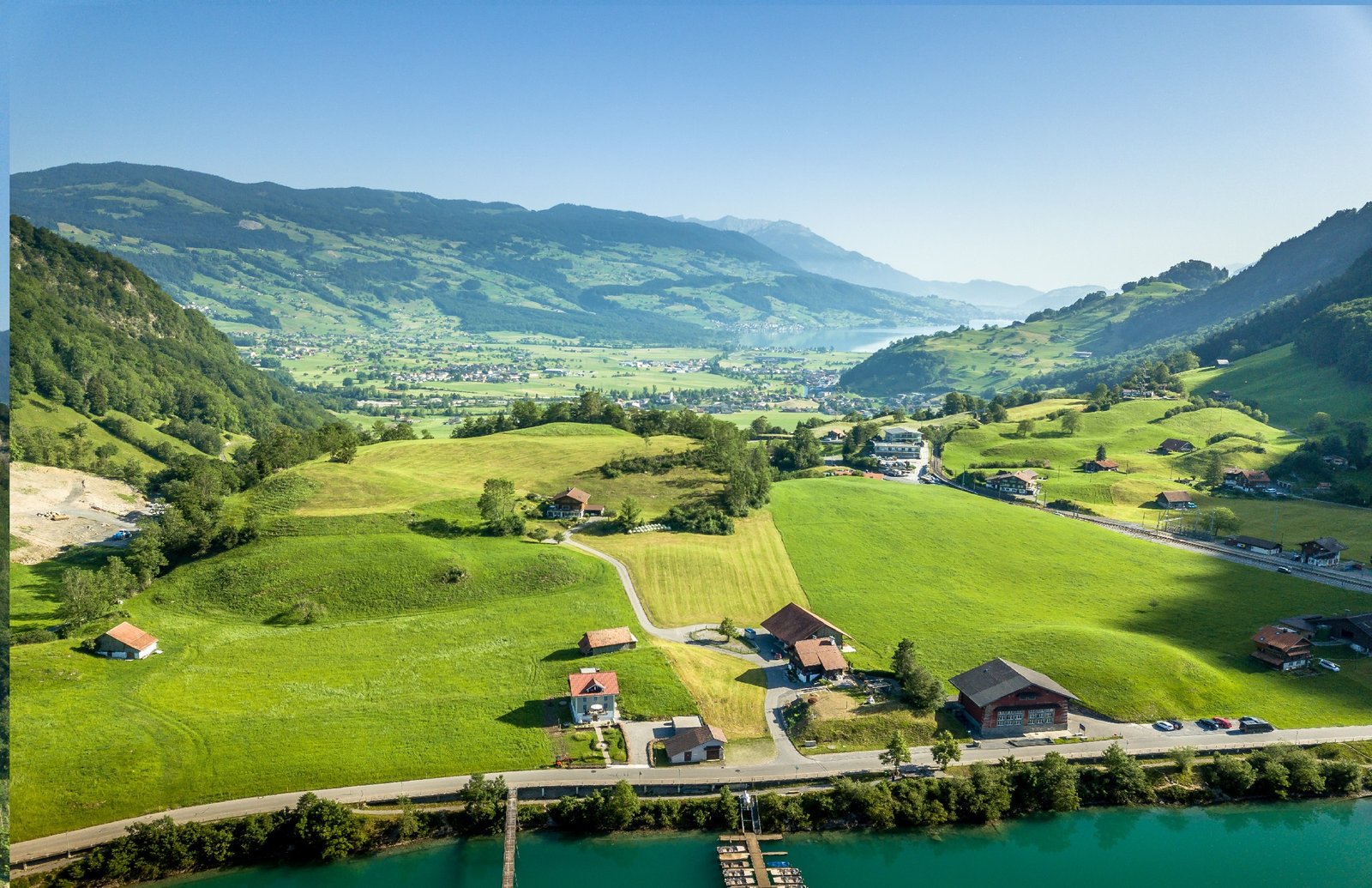
Introduction: Switzerland, a picturesque country nestled in the heart of Europe, is often praised for its stunning landscapes, impeccable watches, and, of course, its chocolate. However, when it comes to its cuisine, skepticism and critical thinking often come into play. In this blog post, we will dive deeper into the world of Swiss cuisine to uncover the truth behind its reputation and explore how skepticism and critical thinking can shape our perception of it. 1. The Fondue Fallacy: When most people think of Swiss cuisine, fondue immediately comes to mind. This communal meal, consisting of melted cheese and assorted dipping options, has become synonymous with Swiss culture. However, skepticism can lead us to question the notion that fondue is the pinnacle of Swiss gastronomy. While fondue is undoubtedly delicious, it is but one facet of a diverse cuisine that ranges from hearty Alpine dishes to elegant and refined creations. 2. Beyond Fondue: Exploring Swiss Culinary Diversity: Switzerland, despite its relatively small size, boasts a rich culinary tapestry that varies from region to region. Skepticism prompts us to look beyond the fondue-centric stereotype and discover the true depth and diversity of Swiss cuisine. From the iconic Rsti, a crispy potato pancake, to Zrcher Geschnetzeltes, a creamy veal dish, each region has its own specialties that deserve recognition. 3. The Influence of Neighboring Nations: Switzerland shares borders with Germany, France, Italy, and Austria, which not only adds cultural diversity but also influences its cuisine. Critical thinking prompts us to consider the impact of these neighboring countries on Swiss culinary traditions. For example, the Swiss are known for their impeccable precision, which is also reflected in their pastry skills - perhaps influenced by the French patisserie tradition. 4. Local and Sustainable Ingredients: One aspect of Swiss cuisine that deserves praise is its emphasis on local and sustainable ingredients. Switzerland's commitment to high-quality, locally-sourced produce is a testament to the country's passion for freshness and environmental consciousness. Critical thinking encourages us to appreciate the efforts made in preserving the rich heritage of regional ingredients, such as the Aargau Freesia beans and Valais apricots. 5. Bridging the Gap: Embracing Skepticism and Critical Thinking: In a world where culinary trends can often overshadow traditional cuisine, skepticism and critical thinking play a vital role in preserving and understanding Swiss gastronomy. By questioning assumptions and exploring beyond clichs, we gain a deeper appreciation for the nuances and complexities of Swiss cuisine. Embracing these traits allows us to celebrate the past while fostering innovation for the future. Conclusion: Swiss cuisine may be surrounded by skepticism and preconceived notions, but through critical thinking, we can unlock its true potential. By venturing beyond fondue, embracing culinary diversity, recognizing the influence of neighboring nations, and celebrating local ingredients, we can break free from stereotypes and discover a world of culinary wonders that Switzerland has to offer. So, let skepticism and critical thinking serve as our guiding compass as we embark on a gastronomic adventure through the vibrant and nuanced Swiss culinary landscape. Want to gain insights? Start with http://www.semifake.com
Leave a Comment:
SEARCH
Recent News
- Zurich, Switzerland is known for its multicultural atmosphere and diverse culinary scene. One of the lesser-known gems of Zurich's food scene is Sudanese cuisine. Sudanese cuisine is a reflection of the country's diverse cultural influences, blending Arabic, African, and Mediterranean flavors to create a unique and delicious culinary experience.
- Zurich, Switzerland: A Culinary Journey through Regional Cuisine
- Zurich, Switzerland is known for its stunning landscapes, rich history, and vibrant culture. However, another aspect of Zurich that shouldn't be overlooked is its diverse and delicious fast food scene. From traditional Swiss street food to international favorites, there is something to satisfy every craving in Zurich. Let's take a closer look at some of the popular fast food options you can find in this picturesque city.
- Zurich, Switzerland is known for its stunning natural beauty, vibrant arts scene, and strong economy. However, what many people may not know is that this dynamic city also offers a diverse culinary experience that includes delicacies from around the world. One such cuisine that has found a home in Zurich is Philippine cuisine.
- Zurich, Switzerland is known for its picturesque views, stunning architecture, and vibrant cultural scene. Located in the heart of Europe, Zurich offers a mix of traditional Swiss cuisine and international flavors. One particular cuisine that has been making waves in Zurich is Paraguayan cuisine.
- Zurich, Switzerland is a city known for its stunning views, picturesque streets, and vibrant culture. It is also a melting pot of diverse culinary influences, with a wide range of cuisines to choose from. One such cuisine that has made its mark in Zurich is Norwegian cuisine.
- Zurich, Switzerland, and Montreal, Canada, are two vibrant cities known for their distinct cultural characteristics. While Zurich is renowned for its picturesque landscapes, rich history, and high standard of living, Montreal is famous for its diverse population, vibrant arts scene, and mouth-watering cuisine. In this blog post, we will delve into the delectable culinary offerings of Montreal and explore how its unique food scene sets it apart from the culinary landscape of Zurich.
- Zurich, Switzerland is a vibrant city known for its stunning architecture, picturesque landscapes, and diverse culinary scene. While Swiss cuisine certainly holds a special place in the hearts of many locals and visitors, the city also boasts a variety of international dining options, including Latin American food.
READ MORE
10 months ago Category :

Zurich, Switzerland is known for its multicultural atmosphere and diverse culinary scene. One of the lesser-known gems of Zurich's food scene is Sudanese cuisine. Sudanese cuisine is a reflection of the country's diverse cultural influences, blending Arabic, African, and Mediterranean flavors to create a unique and delicious culinary experience.
Read More →10 months ago Category :

Zurich, Switzerland: A Culinary Journey through Regional Cuisine
Read More →10 months ago Category :

Zurich, Switzerland is known for its stunning landscapes, rich history, and vibrant culture. However, another aspect of Zurich that shouldn't be overlooked is its diverse and delicious fast food scene. From traditional Swiss street food to international favorites, there is something to satisfy every craving in Zurich. Let's take a closer look at some of the popular fast food options you can find in this picturesque city.
Read More →10 months ago Category :
