Exploring the Remarkable Flavors of Rwanda's Swiss Alpine Herbs and Spices
Category : | Sub Category : Posted on 2023-10-30 21:24:53
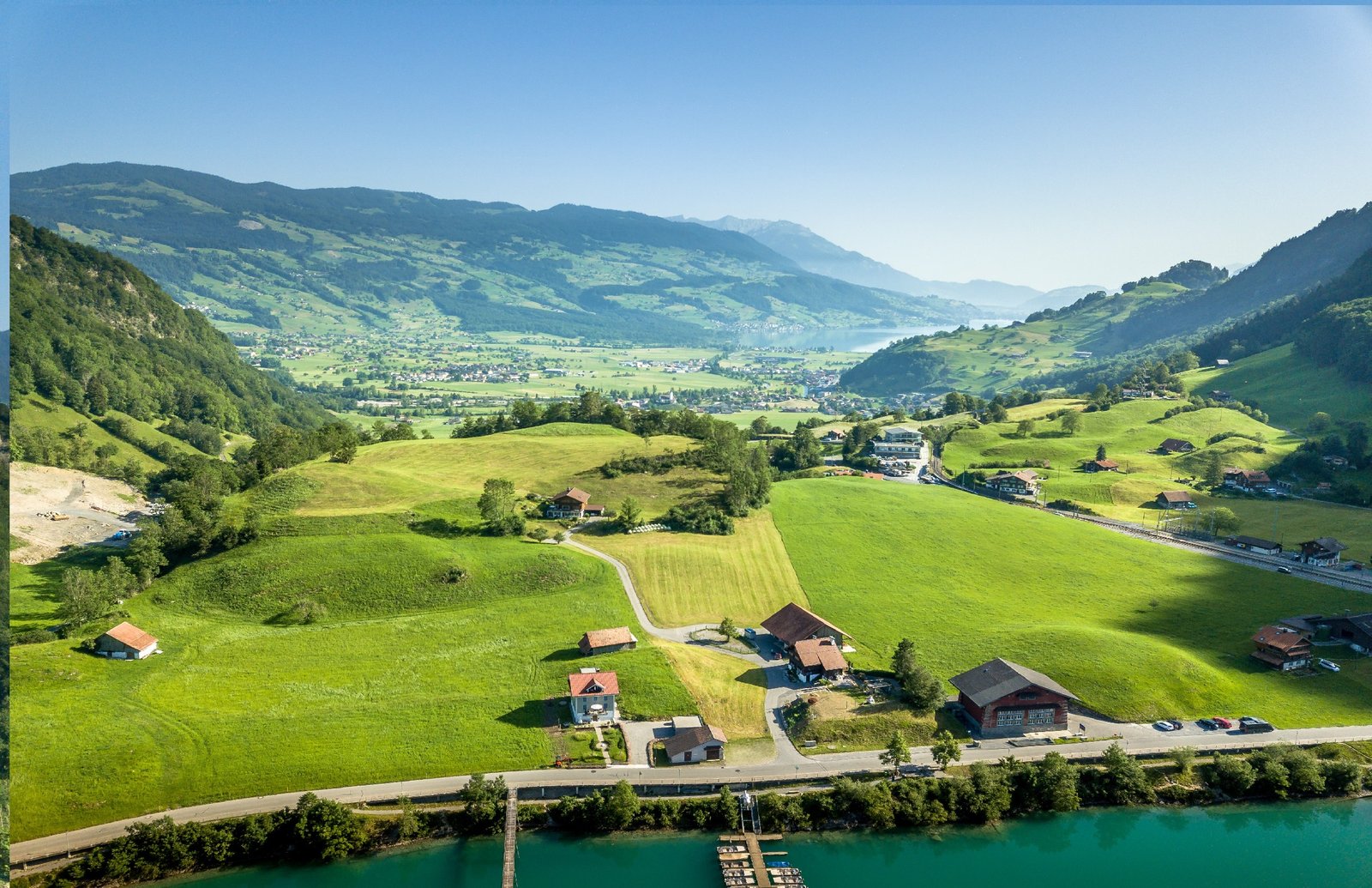
Rwanda, often referred to as the "Land of a Thousand Hills," is as rich in culture and heritage as it is in breathtaking landscapes. While the country is widely known for its coffee and tea production, a lesser-known gem lies beneath its verdant hills - Swiss Alpine herbs and spices. Traditionally grown at high altitudes in the Alpine region of Switzerland, these herbs and spices have found a second home in Rwanda's favorable climate and soil. The combination of Rwanda's fertile volcanic soil and the expertise of Swiss farmers has yielded an impressive array of flavorful and aromatic plants. One of the most prominent Swiss Alpine herbs making waves in Rwanda is the alpine thyme. This perennial herb is renowned for its versatile and intense flavor. With fragrant notes of lemon, and a hint of pine, it adds depth to an array of culinary creations. Chefs across Rwanda have embraced this herb, incorporating it into dishes ranging from stews and sauces to salads and even desserts. Another Swiss herb that has found a new beginning in Rwanda is the savory. Known for its distinct peppery flavor, savory adds a delightful touch to hearty soups, stews, and roasted meats. Its presence in the Rwandan culinary scene has breathed new life into traditional recipes, giving them a unique and unexpected twist. When it comes to spices, one cannot overlook the star anise. This spice, native to Switzerland, has been embraced by Rwandan food enthusiasts for its anise-like flavor and warm aroma. It holds a special place in the hearts of locals, who delight in its use in both sweet and savory dishes. From being a key ingredient in traditional broths and marinades to infusing its delightful essence into homemade desserts and beverages, star anise has become a versatile spice adored by Rwandans. The introduction of Swiss Alpine herbs and spices to Rwanda has not only enhanced the local culinary scene but also created opportunities for farmers and spice producers. These herbs and spices have become an important source of income for growing communities, offering economic empowerment for many families. Furthermore, the cultivation of Swiss Alpine herbs and spices aligns with Rwanda's environmentally conscious practices. The use of organic farming methods ensures that these plants grow without the need for chemical fertilizers or pesticides, preserving the integrity of the land and the health of those who consume them. In conclusion, the fusion of Swiss Alpine herbs and spices with Rwandan cuisine has created a harmonious marriage of flavors and traditions. The revitalization of age-old recipes and the introduction of new taste profiles have opened up a realm of culinary exploration. With each bite, one can savor the commitment to sustainability and the celebration of both Swiss and Rwandan cultures. So, the next time you find yourself in Rwanda, be sure to indulge in the remarkable flavors of Swiss Alpine herbs and spices that have taken root amidst the country's captivating hills.
Leave a Comment:
SEARCH
Recent News
- Zurich, Switzerland is known for its multicultural atmosphere and diverse culinary scene. One of the lesser-known gems of Zurich's food scene is Sudanese cuisine. Sudanese cuisine is a reflection of the country's diverse cultural influences, blending Arabic, African, and Mediterranean flavors to create a unique and delicious culinary experience.
- Zurich, Switzerland: A Culinary Journey through Regional Cuisine
- Zurich, Switzerland is known for its stunning landscapes, rich history, and vibrant culture. However, another aspect of Zurich that shouldn't be overlooked is its diverse and delicious fast food scene. From traditional Swiss street food to international favorites, there is something to satisfy every craving in Zurich. Let's take a closer look at some of the popular fast food options you can find in this picturesque city.
- Zurich, Switzerland is known for its stunning natural beauty, vibrant arts scene, and strong economy. However, what many people may not know is that this dynamic city also offers a diverse culinary experience that includes delicacies from around the world. One such cuisine that has found a home in Zurich is Philippine cuisine.
- Zurich, Switzerland is known for its picturesque views, stunning architecture, and vibrant cultural scene. Located in the heart of Europe, Zurich offers a mix of traditional Swiss cuisine and international flavors. One particular cuisine that has been making waves in Zurich is Paraguayan cuisine.
- Zurich, Switzerland is a city known for its stunning views, picturesque streets, and vibrant culture. It is also a melting pot of diverse culinary influences, with a wide range of cuisines to choose from. One such cuisine that has made its mark in Zurich is Norwegian cuisine.
- Zurich, Switzerland, and Montreal, Canada, are two vibrant cities known for their distinct cultural characteristics. While Zurich is renowned for its picturesque landscapes, rich history, and high standard of living, Montreal is famous for its diverse population, vibrant arts scene, and mouth-watering cuisine. In this blog post, we will delve into the delectable culinary offerings of Montreal and explore how its unique food scene sets it apart from the culinary landscape of Zurich.
- Zurich, Switzerland is a vibrant city known for its stunning architecture, picturesque landscapes, and diverse culinary scene. While Swiss cuisine certainly holds a special place in the hearts of many locals and visitors, the city also boasts a variety of international dining options, including Latin American food.
READ MORE
10 months ago Category :

Zurich, Switzerland is known for its multicultural atmosphere and diverse culinary scene. One of the lesser-known gems of Zurich's food scene is Sudanese cuisine. Sudanese cuisine is a reflection of the country's diverse cultural influences, blending Arabic, African, and Mediterranean flavors to create a unique and delicious culinary experience.
Read More →10 months ago Category :

Zurich, Switzerland: A Culinary Journey through Regional Cuisine
Read More →10 months ago Category :

Zurich, Switzerland is known for its stunning landscapes, rich history, and vibrant culture. However, another aspect of Zurich that shouldn't be overlooked is its diverse and delicious fast food scene. From traditional Swiss street food to international favorites, there is something to satisfy every craving in Zurich. Let's take a closer look at some of the popular fast food options you can find in this picturesque city.
Read More →10 months ago Category :
